Ruminations on retirement
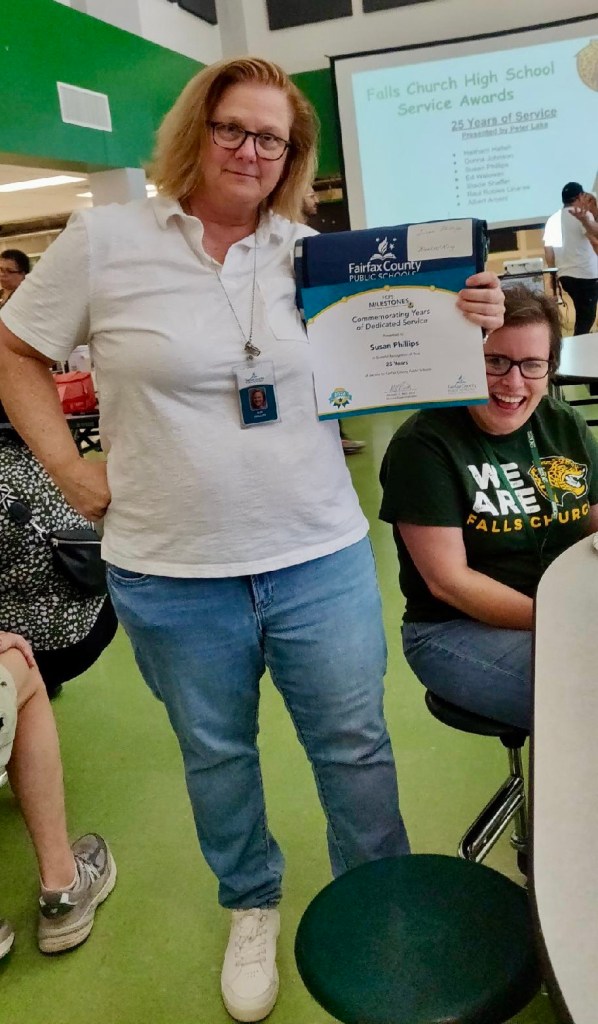
I turned 58 a couple of weeks ago. Among other things, that means I’m now within two years of being eligible to retire from my teaching job.
Even after I turn 60 and can officially retire from the school district where I’ve worked for 25 years, I’ll still need (and want) to work for another handful of years, but perhaps not full-time and likely in a different state. So it’ll actually be more of a transition than a hard stop.
In the lead-up to this life change, I’ve been feeling muddled as I ponder some big questions: Where do I want to be? What do I want to do?
This year, a frenetic work schedule has sharpened my focus on what comes next.
Because of a shift in student enrollment, for the first time in 20 years, I’m in a “regular” English teaching position with over 100 students, instead of working with smaller, specialized populations as I’ve done for the last two decades.
I’m now in constant motion for the first 5 ½ hours of every workday, with three lengthy classes back-to-back, followed by additional duties several days a week. One day a week, I go straight from classes to meetings and have no unscheduled time all day besides a short lunch break. I feel like I’m in a flat-out sprint in the 25th mile of a marathon.
Large classes and being extremely busy all day are the norm for most high school teachers. And, comparatively, my setup is good. I’m at a school with a strong admin team, I enjoy my colleagues, I work with lots of great kids, and I have an easy commute.
I’m just tired. I recently came across the term “professional exhaustion,” and it struck a chord.
I recognize that I’m tired when I have a meltdown at a meeting after learning about a new initiative that will require time and effort beyond what I’m already doing.
I also notice it when I see the energy and enthusiasm of younger teachers around me while I feel increasingly depleted.
I remember being a teacher in my 20s and watching close-to-retirement colleagues who seemed to be just hanging on—and vowing never to become one of them. Time has softened that arrogant stance.
I’ve spoken with a number of teachers roughly my age in the last few months and have heard the phrase “over it” from many of them when they describe their state of mind at work.
But I don’t think this experience is unique to teaching. I have friends nearing retirement in completely different professions who feel the same.
It makes sense. When you’ve worked in the same field for decades, you’re bound to get tired of it. You almost should get tired of doing the same thing for a long stretch of time (though few would argue that any two years of teaching are the same).
Still, it doesn’t feel good to be the cranky, jaded person at work. I recently realized I’ve been feeling bad about feeling bad. I guess I just need to accept the fact that this is where I am right now. I’ve worked in a stressful environment for a long time, and I need to give myself grace about feeling worn out.
I still love the essence of teaching—trying to figure out how best to communicate important information to people who’ll need it in the future. I’m still glad I chose this profession because it has given me the chance to do something good every day. And though I probably won’t teach full-time for much longer, I do see myself teaching in some form well into my 60s.
Wherever I land and whenever I get there, I know I’ll need two things: purpose and community.
I’ve talked with several people who retired in the last few years who are now struggling with feeling disconnected or without purpose. Since my job has been a source of both social connection and meaning for me over the years, I know I’ll need to fill that void when I’m no longer “in the trenches” with peers at school, working toward an important goal.
I got a small taste of what it might feel like not to be employed or surrounded by friends and family when I lived in Japan in the late 1990s. My then-husband and I had a wonderful year there; the only low point was the final three weeks, when my teaching job had ended, and we briefly lived in an area where we didn’t know anyone else.
I found myself creating little agendas each day to keep myself busy while my spouse was at work, taking day trips into Tokyo and spending the rest of my spare time making the apartment perfectly clean. (I was thoroughly annoyed on days when he didn’t seem to notice just how tidy the place was. Yikes.) This experience was an eye-opener. It became clear to me that I was happier when I had a purpose.
These days, when I’m not fretting about the future, I’m excited about the prospect of having more time and energy to pursue other interests. I love meeting new people and learning new things, and I expect to make a concerted effort to do both in the next stage of life.
I’m not sure yet how I might spend my time when I have more free hours, but I know it will involve writing, some form of volunteering, and maybe even getting a dog.
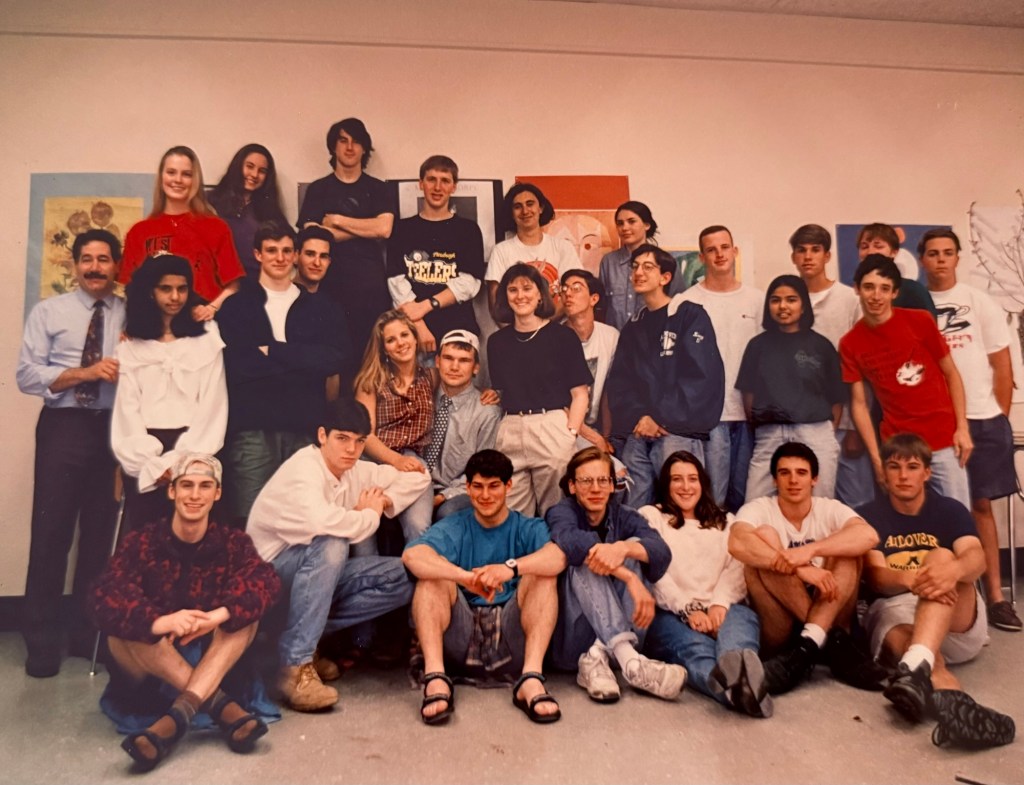
It may also involve a move back to Massachusetts. I’ve always wanted to live near the ocean, and I’m seriously considering Cape Cod, which would put me closer to family and back in an area I loved when I lived there in the 1990s.
If I do go ahead with a move, I know I’ll need to push myself out of my comfort zone to meet people and find community, especially if I live in an area like the Cape that’s less populated in the off-season.
For now, I’ll work to rein in my anxiety about the unknown as I move toward the next chapter, and remind myself to appreciate the good things in my life right now, instead of wishing away the next two years.