I learned recently that my dog helped our family buy a house.
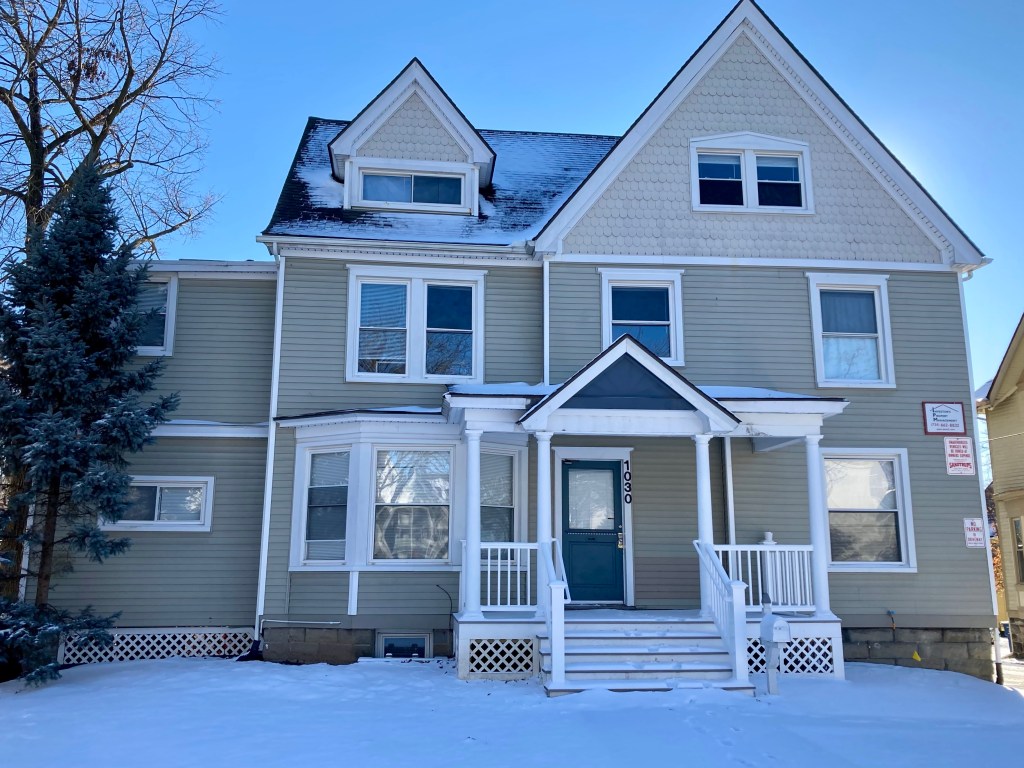
In 1977, when I was nine, my parents put in a bid on a house two blocks away. The house went on the market in the morning, and before noon, the sellers had four identical offers.

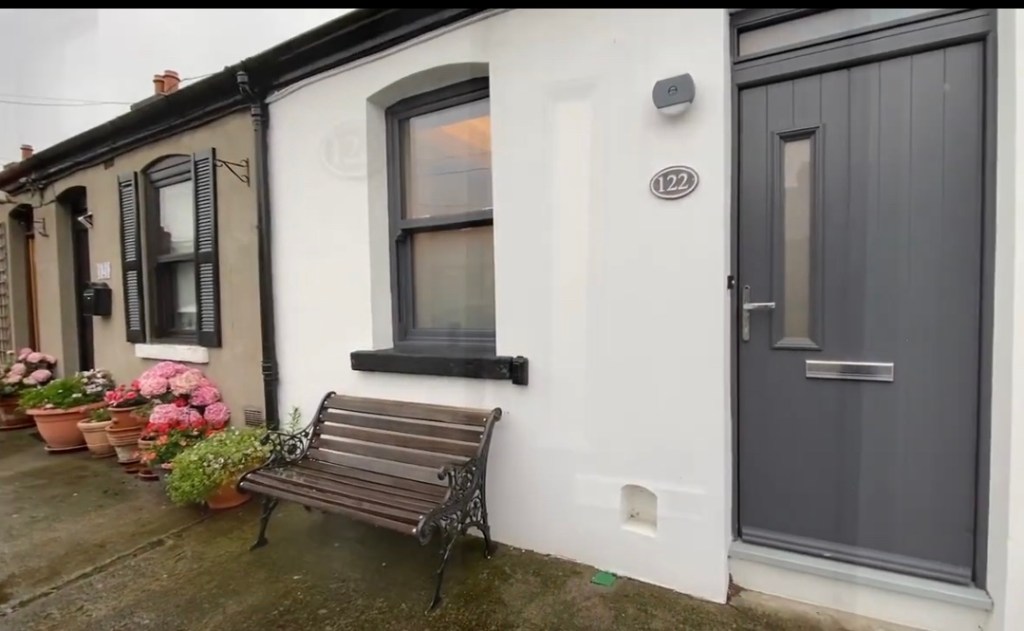
After weighing their options, they decided to accept my parents’ bid when they learned that my father was the man who always walked a three-legged dog past their house. Our dog, Inky, had been hit by a car the year before. She survived, but one of her back legs had to be amputated. While some of our neighbors didn’t know us, many of them recognized Inky, and that turned out to be the reason we ended up at 138 Kelbourne Avenue.
The rest of my family was excited about the move, but I wasn’t. I was happy that I’d be getting my own room – my sister and I would no longer have reason for regular turf wars – but I wouldn’t be able to look out the window to see if my friends were outside playing kickball or Kill the Carrier. I groused about having to walk two whole blocks to find playmates.
Little did I know that this house would serve as the backdrop for most of our family’s important life events for the next four decades.
Two months ago my parents moved out of the house and into an assisted living and memory care facility. My siblings and I have spent a lot of time at the house since then getting it cleared out so it could be sold.

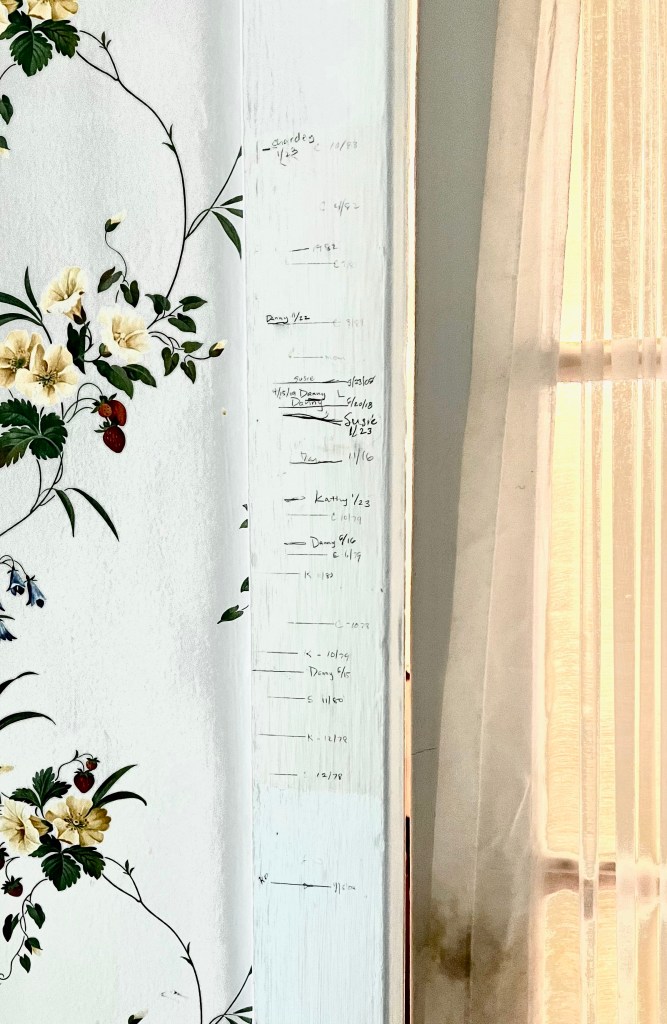
Going through the closets and boxes was like opening a time capsule. We discovered that my mother kept EVERYTHING. In neatly labeled boxes in nearly every room upstairs, we found drawings, music programs, and elementary school report cards (my teachers wrote things like “Susie is trying to control her silliness!” and “Susie will have to be careful of ‘attitude’ and ‘behavior’ in the future”). There were poems, postcards, letters home from college. I even found the book of cut-out letters and pictures that my mom and I made together when I was learning the alphabet in kindergarten.
In addition to the volume of memorabilia, I discovered that my siblings and I are remarkably in-sync as adults. Even though we have very different personalities and have been spread out over the Eastern Seaboard for the last 30 years, as we’ve come together to clear out the house, we have been in lockstep about what is important and what is not important. Important: supporting my dad, trying to ensure that my mom is being well cared for, breaking down the house efficiently and respectfully; not important: claiming furniture, jewelry, and other material goods from the house.
If you had told me when I was a kid that my siblings and I would be so aligned as adults, I might have been surprised. After all, some of my clearest memories in the house are the epic fights I had with each of them.
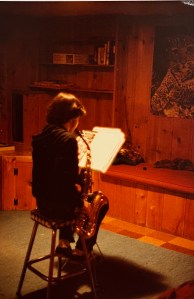
My brother Charlie was in the room next to mine and hated listening to me practice my saxophone. He claimed he couldn’t concentrate on his studies over the sound of scales and repeated renditions of “The Pink Panther.” My parents took his side and I was sent to the basement to practice so he could concentrate on his homework. That lasted a few weeks. Then he got caught listening to records instead of studying, and the jig was up. Every time I see a picture of the band KISS or hear a song from Frampton Comes Alive, it brings a huge smile to my face. Show me the way, Chibs!
My sister Kathy and I fought bitterly about the telephone. Whenever I was on the phone, she needed it. To get some privacy, I would pull the phone across the breakfast table and squeeze into the powder room, closing the door hard on the cord. Inevitably, my sister would pick up another extension and shout, “I NEED THE PHONE!” and I would shout, “I’M ON THE PHONE!” and then my mother would shout, “GIRLS! STOP SHOUTING!” Whoever I was talking to would get an earful – usually my friend Sandy, who would say, “Your sister always needs the phone!”
On days when I got in big trouble at school, my siblings were eager to get away from me. Most nights we ate dinner as a family at a small table, and you could really feel the tension when something was awry. The night after I got suspended for smoking cigarettes in 8th grade was especially unpleasant. My father dismissed my brother and sister from the table so he and my mother could interrogate me about what on earth I was thinking. I can still hear the clanging of the dishes as my siblings jumped up to get away from the table and out of the line of fire.
Apart from leaving me alone to clean up my own mess, they were generally very kind to me and the three of us were on the same side. We were The Kids and my folks were The Parents, and there was never any confusion about who was who. My parents didn’t involve us in their adult concerns, which allowed us to just be kids together.
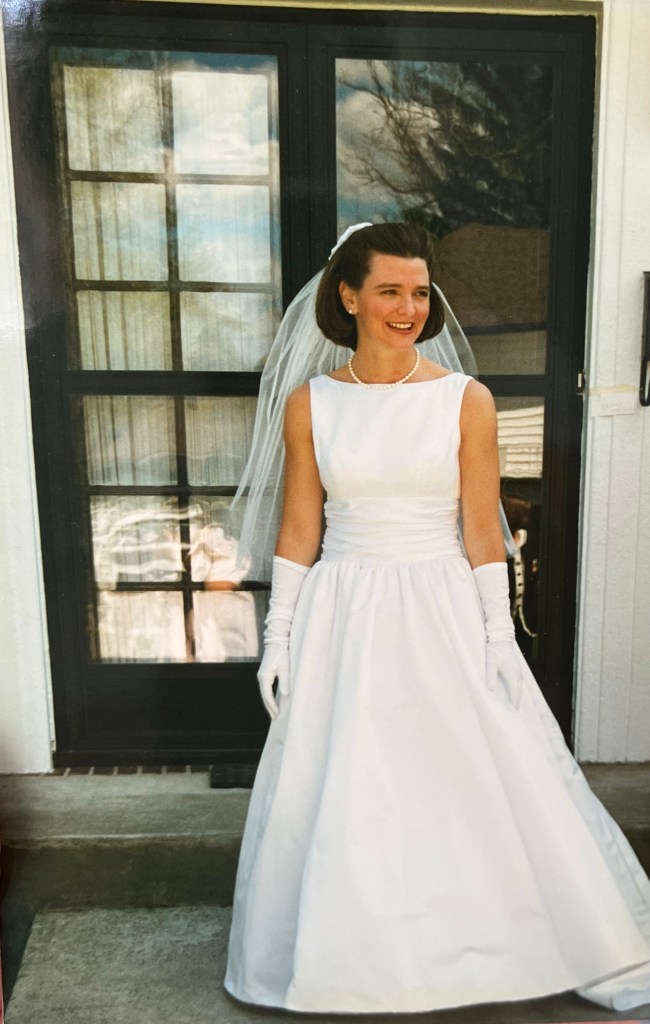
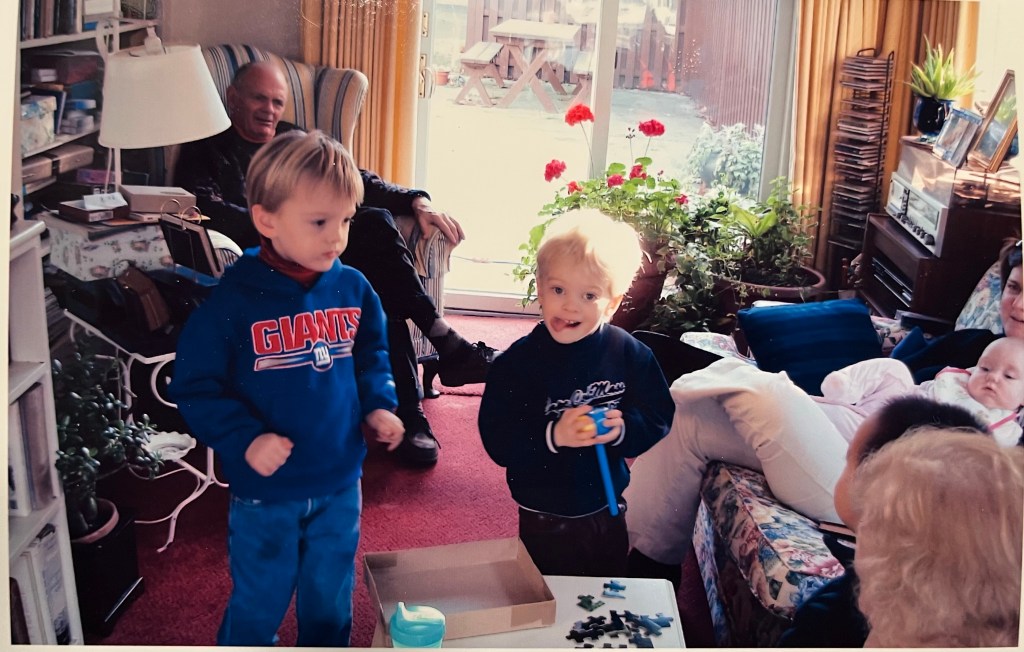
After we finished high school and went off into the world, to college and semesters abroad and living in other cities and towns, we always came back to the house, and to my parents. The place continued to be the hub of family activity. When each of us got married and had kids, we brought other people around, and they became part of the history of the house as well.
Because I live the farthest from New York and have the least flexible job, most of the work in breaking down the house has fallen to my sister and brother. I honestly have never admired them more. They have selflessly worked to take care of detail after detail. They are reflecting back the devotion that my parents showed to us during our childhood.
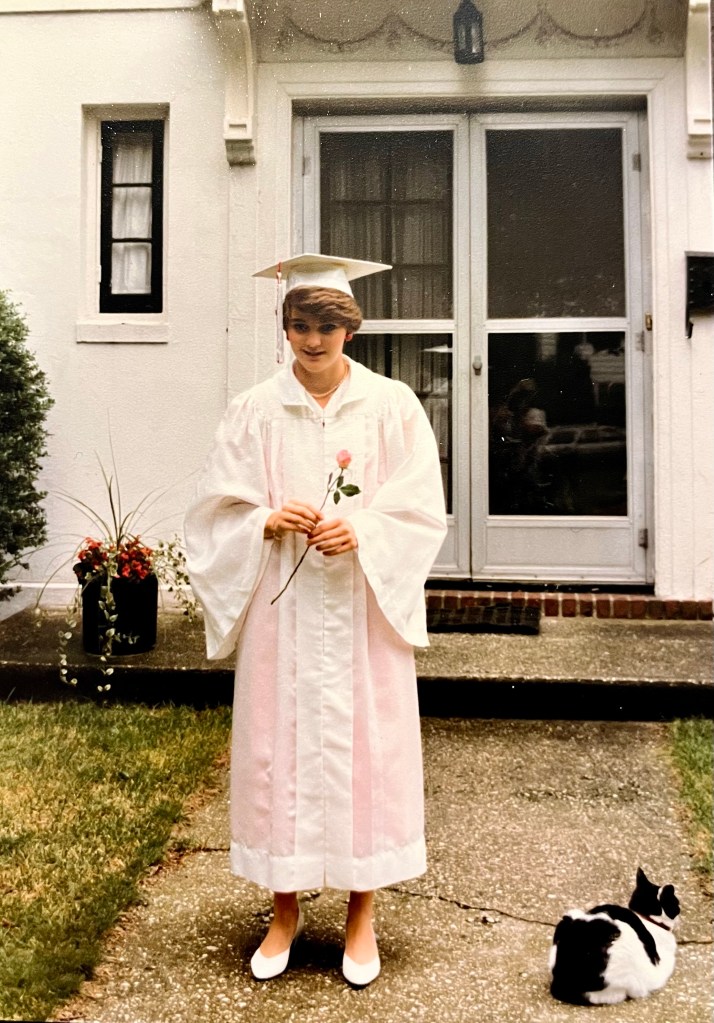
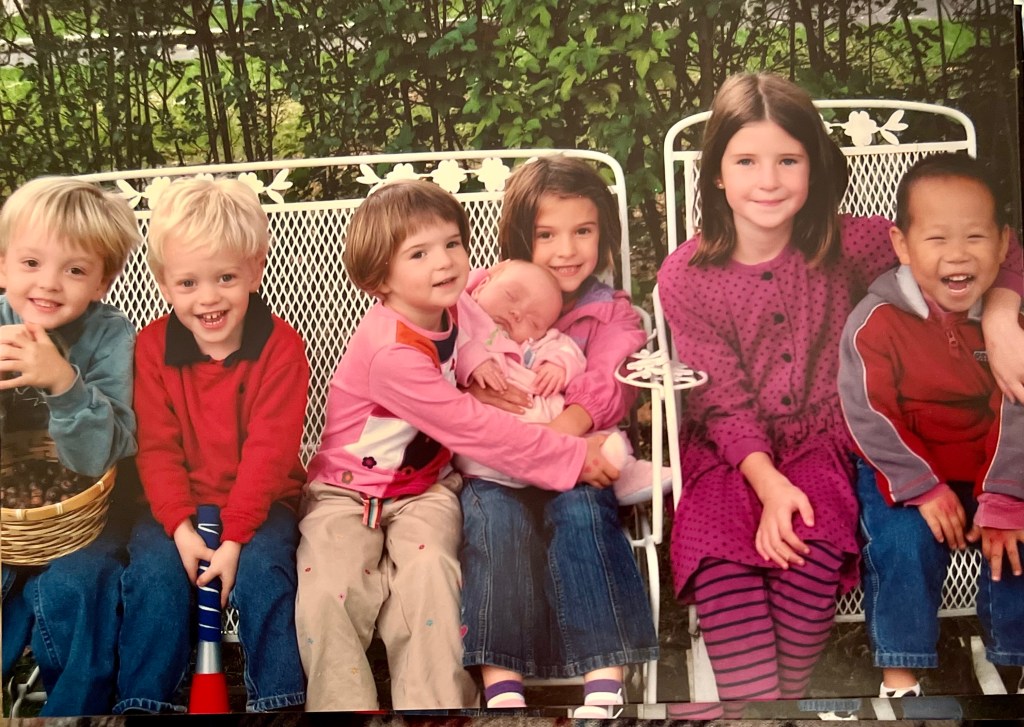
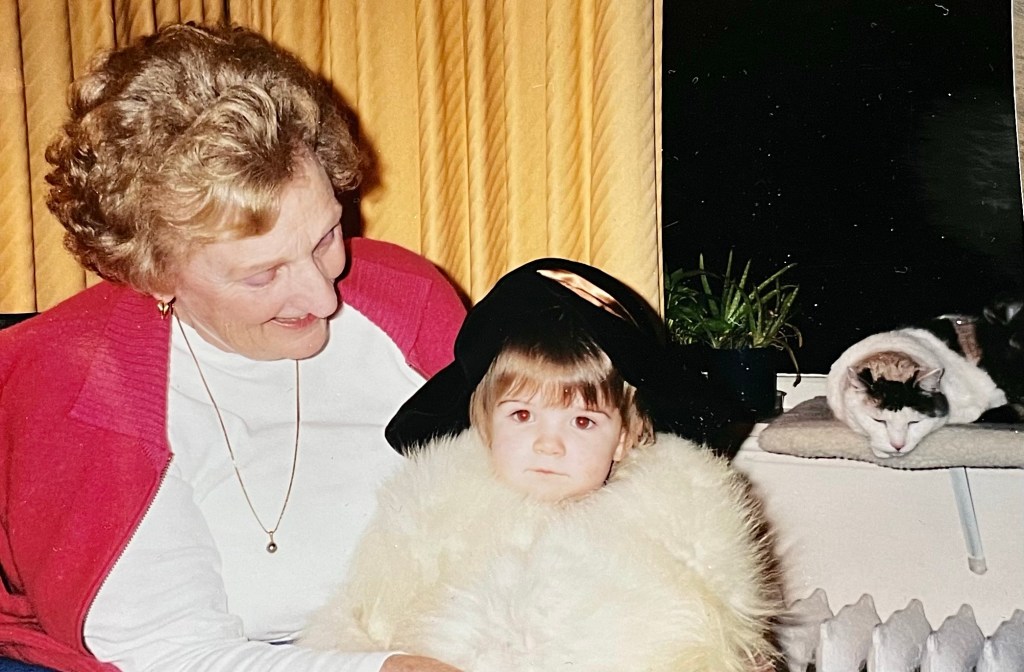
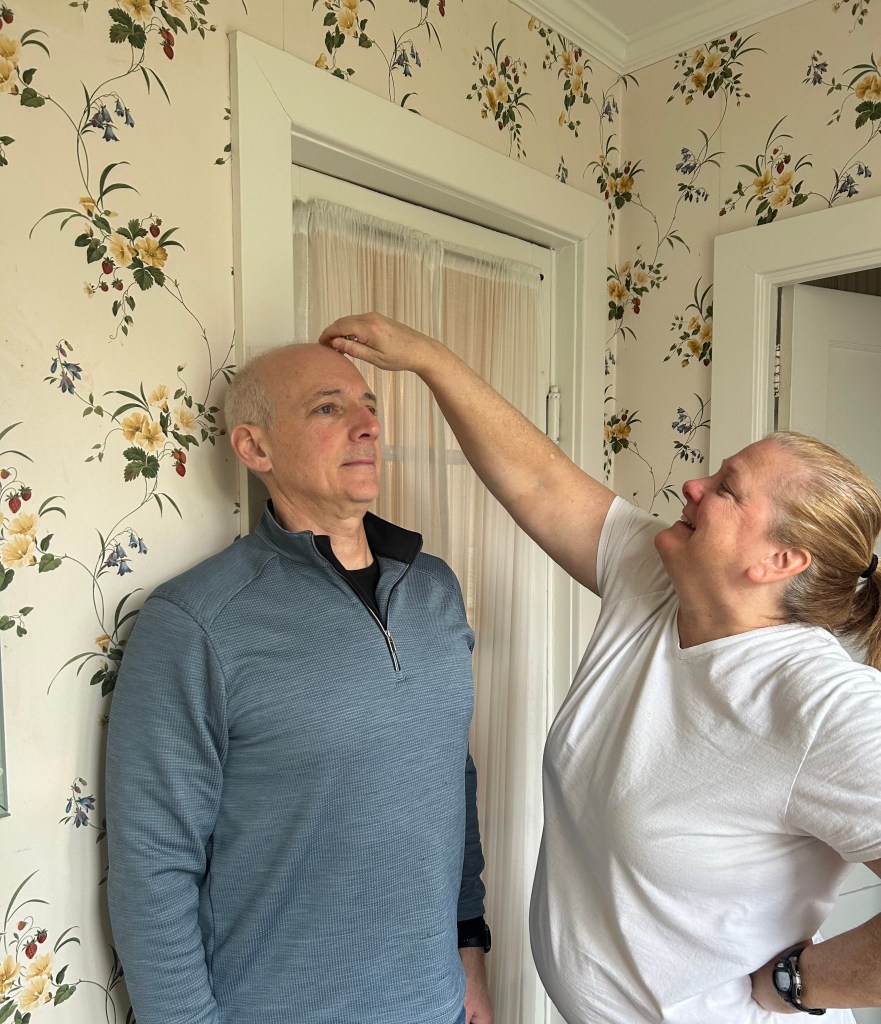
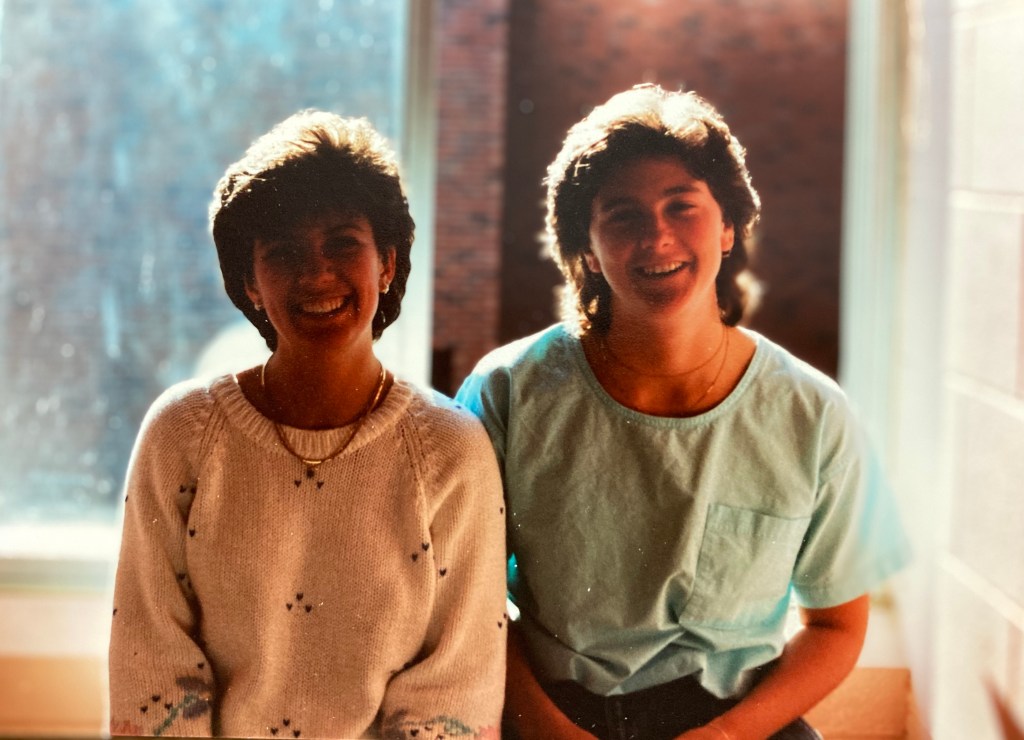
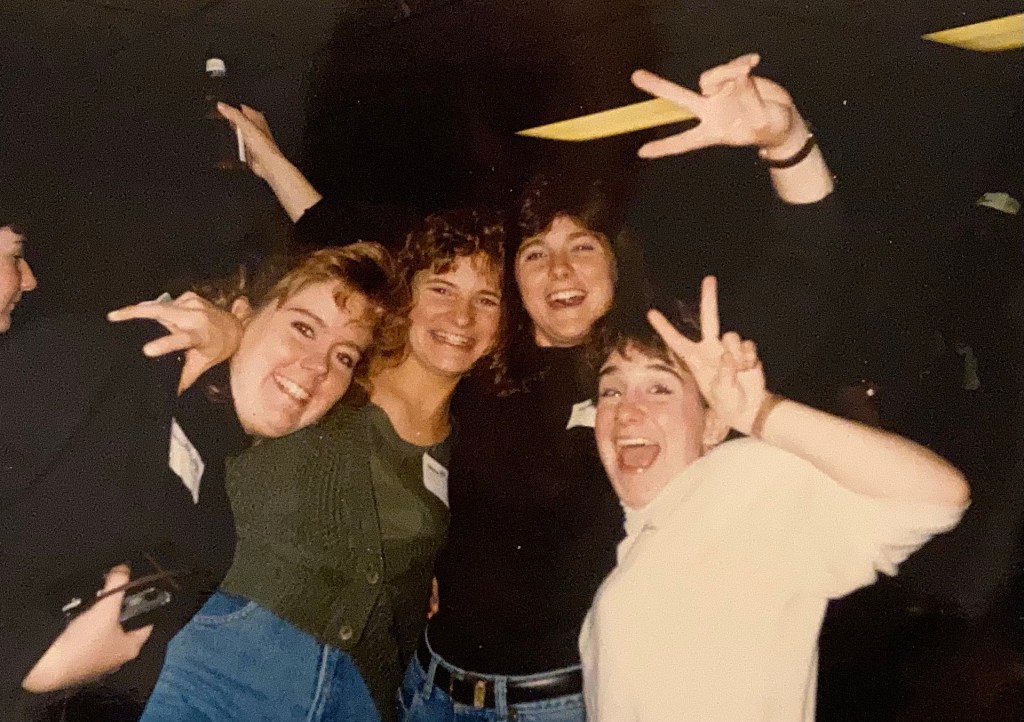
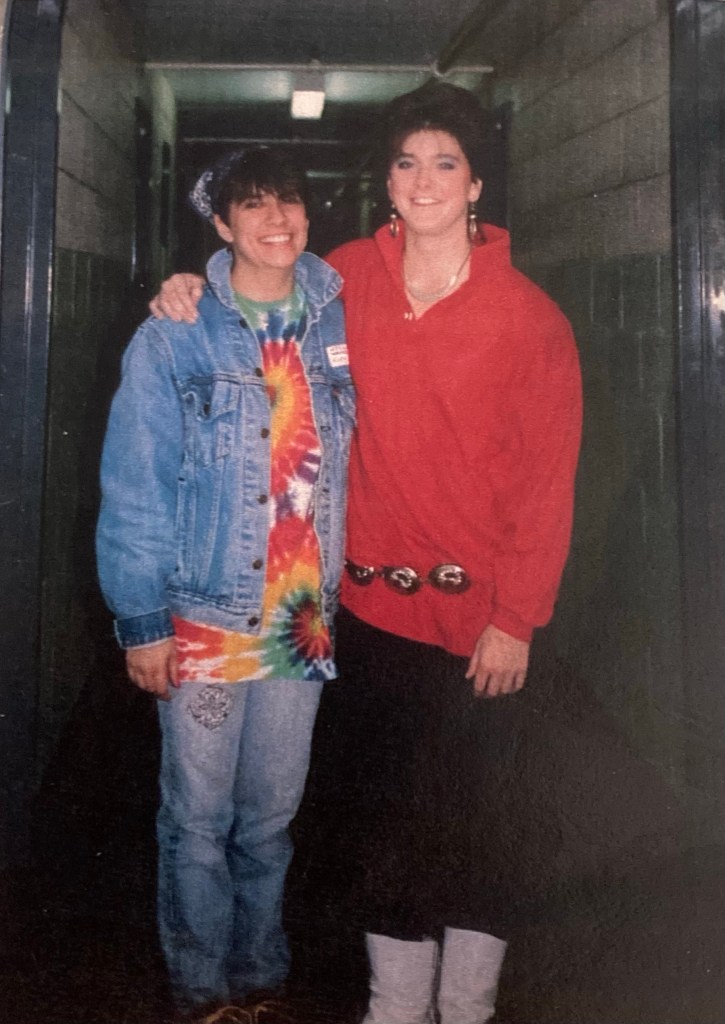
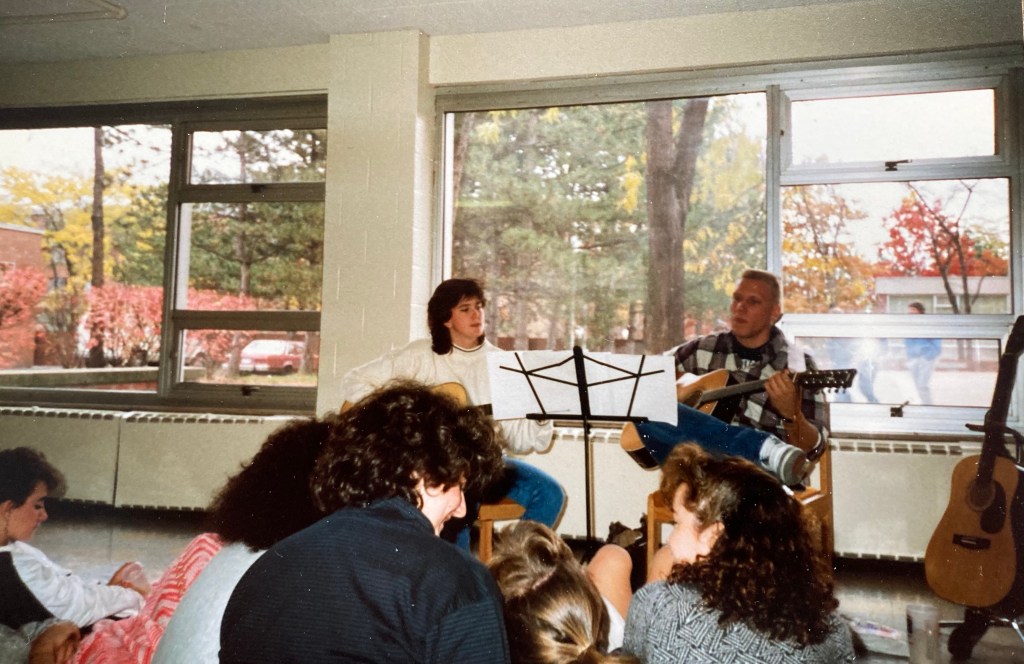
One of the few things I could do remotely was to go through the many hundreds of pictures that were in photo albums and boxes. Doing that has given me a sense of the continuity that comes when a family lives in a house for 45 years. The photos showed how rituals and traditions passed from one generation to the next.


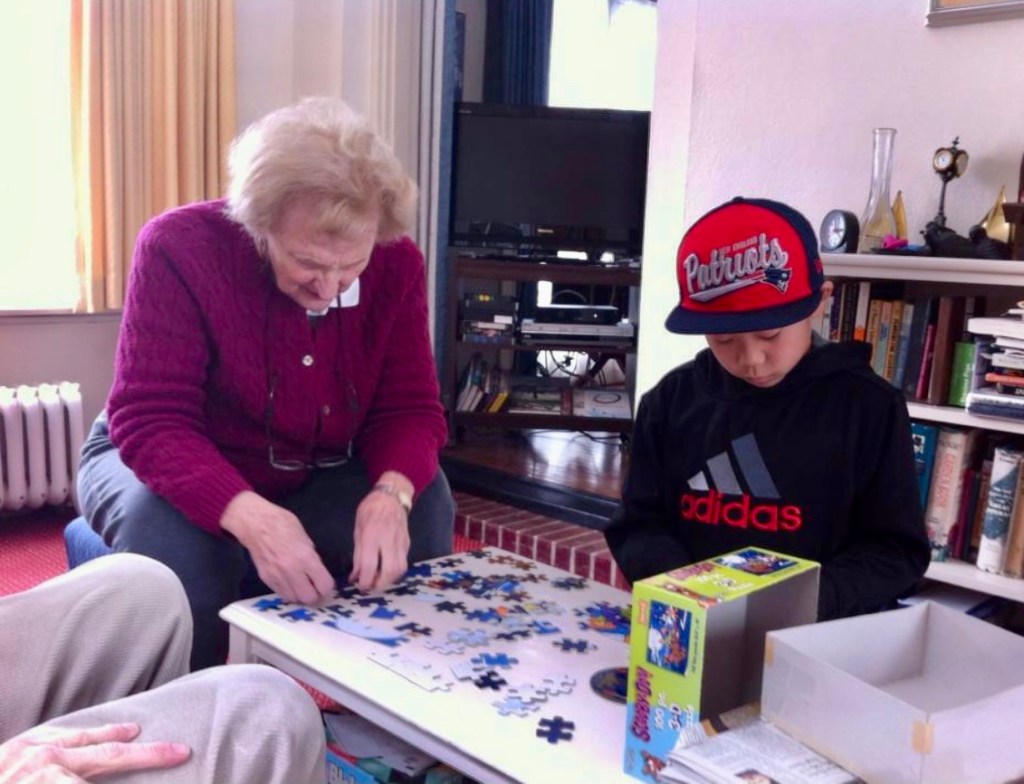
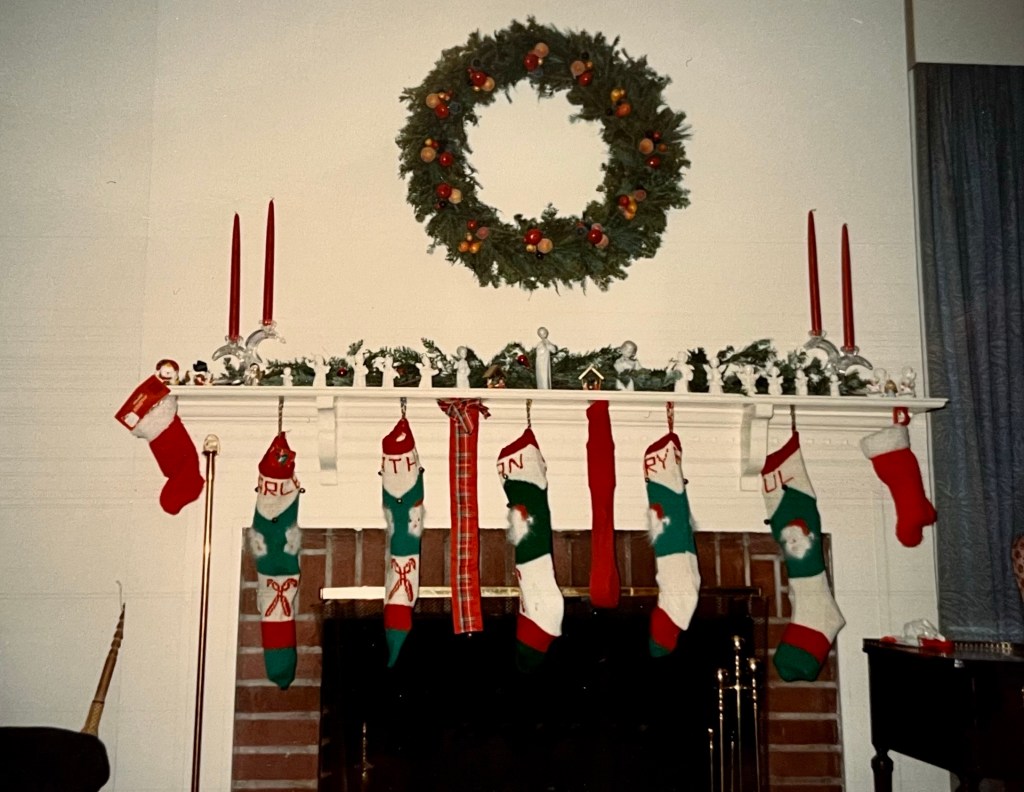
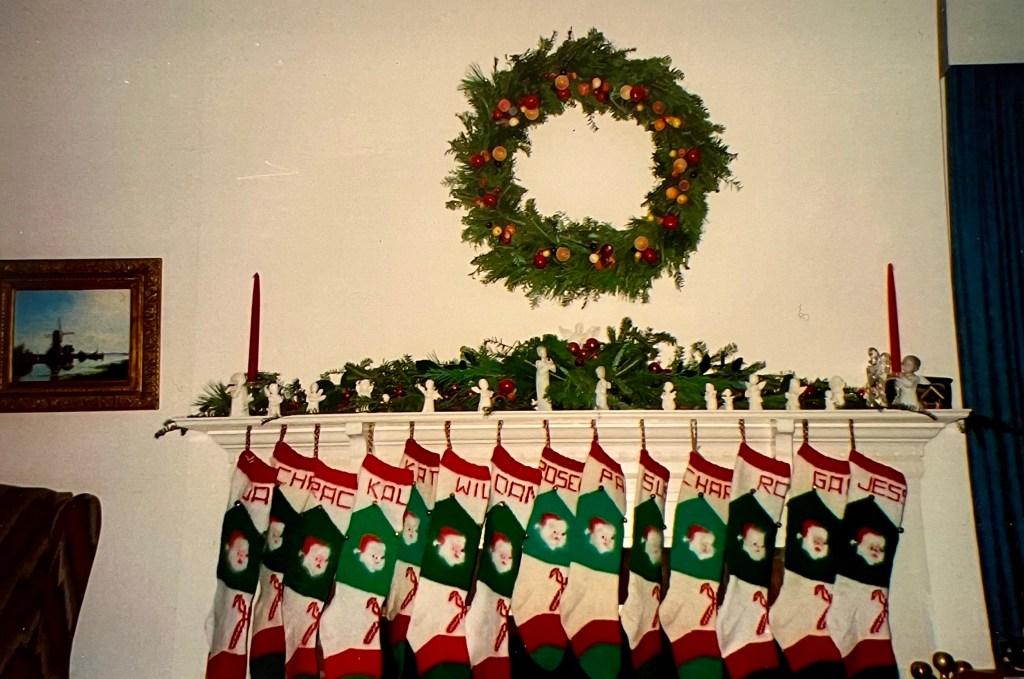
My dad was always up for having a catch with any of us in the back yard. When we had kids, he had catches with them in the back yard. Then the grandkids grew up and had catches with each other. My mom and sister did puzzles together a lot, and then my mom did puzzles with the grandkids. At Christmas we always hung the stockings my mom had made for the five of us; in later years, when spouses and children joined the family, she knitted a stocking for each of them.
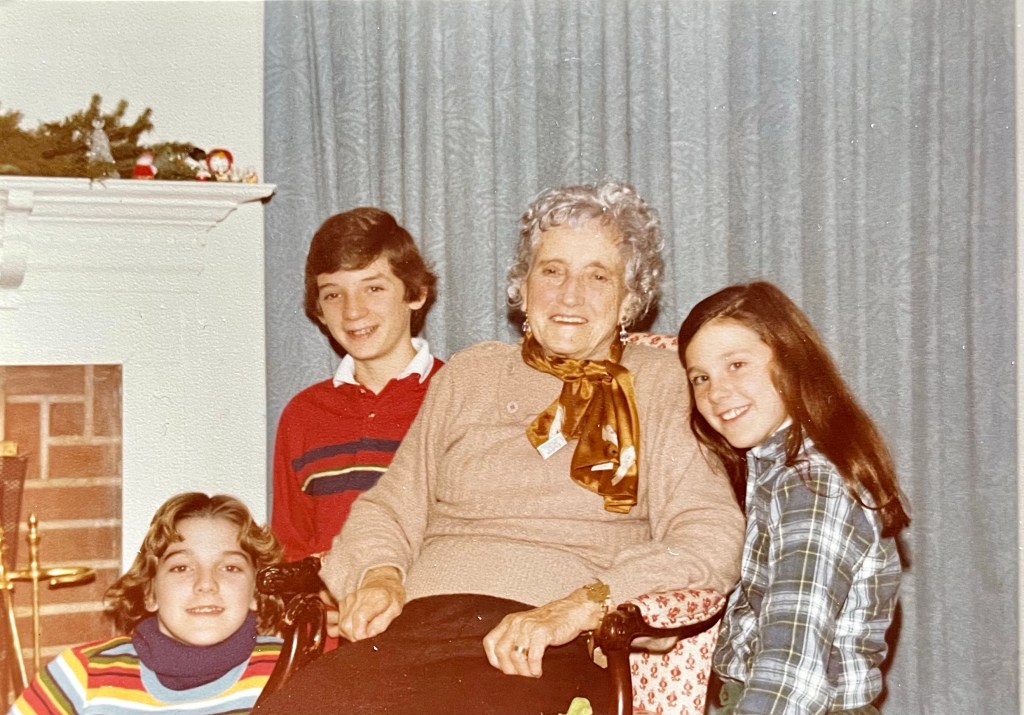
I also remember watching mass on TV with my grandmother when she came to stay with us after a fall. In the last few years, I have watched mass on TV with my parents when my mom was no longer able to go in person.
When the time came to move out, the house was staged and made into a blank canvas so that others could picture how they would make a life there. Though it was very tastefully done, seeing the house on the internet as a real estate listing felt a little jarring.
When I was looking through the MLS pictures online, I caught myself clenching my jaw involuntarily when I came to the photo of what we called the “family room,” a place where we spent so much time together. It was strange to see a picture of the room all cleared out, without my parents in it.
“Wow,” I said to my dad a few days later, “Another family is going to live in the house. That’s going to be different.”
“Yes,” he agreed, “but that’s what these houses are for. They aren’t for a couple of 88-year-olds who have trouble getting up the stairs.”
He’s right, of course. Nothing gold can stay, as the poem goes, and it is time to let go and pass the house along to someone else. It’s been such a great house for our family, and hopefully the next owners will love it as much as we have.